
As the demand for vegan cosmetics continues to surge, the novelty of these products is fading. In recent years, the interest in animal-friendly cosmetics has gradually transitioned from a trend to an expectation. Now, many mainstream beauty brands are either offering vegan products or working toward a full switch to 100% vegan. With its many benefits for animals, consumer health, and environmental protection, the outlook for vegan cosmetics is very positive.
How to recognize vegan cosmetics, on the other hand, can be a challenge at times. In this article, we’ll take a look at vegan cosmetics as an alternative to conventional or all-natural cosmetics, what they are, their benefits, and how to identify them.
What Does Vegan Mean in Cosmetics?
‘Vegan’ in cosmetics refers to a product that does not contain any ingredients sourced directly from animals or their by-products, derivatives, or GMOs. Additionally, it’s important to note that the term vegan does not include “no animal testing”; however, most vegan cosmetics are also cruelty-free.
Vegan cosmetics are typically made from natural plant-, or mineral-based ingredients. Furthermore, they often contain far fewer synthetic ingredients compared to their conventional counterparts, making them a safer and healthier option. The label ‘vegan’ is an unregulated term in both the US and the EU, meaning there is no guarantee the product is in fact vegan unless it is certified by a third-party establishment. In order for cosmetics to be certified vegan, each ingredient and the final product itself will be tested, or evidence must be provided to prove that they are 100% animal-free. Once the product is certified, the company can include the vegan trademark on their product label or packaging.

5 Benefits of Using Vegan Skincare Products
Using vegan skincare products is beneficial in many ways for consumers, animals, and the environment. Here are 5 significant benefits of using vegan skincare products:
- Safer ingredients: Most vegan cosmetics aim to use more natural or organic ingredients and fewer synthetic chemical ingredients in their formulations. These ingredients are not only safer for consumers, but also safer for the environment.
- Promotes animal welfare: By choosing vegan cosmetics, you are also choosing to promote animal welfare. As more people switch to vegan cosmetics, the demand for conventional cosmetics that utilize animal-based ingredients will gradually decrease.
- Environmental benefits: Because vegan cosmetics use mostly naturally sourced ingredients, both the production process and disposal have a minimal environmental impact and may even benefit the environment in the long run.
- Healthier skin: The natural plant-based ingredients found in vegan cosmetics are typically very gentle on the skin as opposed to synthetic ingredients. This promotes healthier skin, healing, and hydration.
- High performance: Many vegan cosmetics leverage innovative biotechnology to improve the performance of their formulas. This gives them a competitive advantage over other traditional beauty products and improves customer satisfaction.

How to Recognize Vegan Cosmetics
Recognizing the difference between vegan and non-vegan cosmetics is not always obvious. Therefore, knowing what to look for and where to find it is an important first step to avoiding any potential confusion.
Labels
Cosmetic product labels display important information about a product, including its ingredients and any relevant certifications. This is where you can often find information about whether a beauty product is vegan or not. Many cosmetic products display the word ‘vegan’ on their label; however, this is an unregulated term; therefore, it’s important to make sure the product has a vegan certification from a trusted establishment. Here are a few internationally recognized third-party vegan certifications:
- V-Label
- Vegan.org
- PETA
- The Vegan Society
Non-vegan Ingredients in Cosmetics
Non-vegan ingredients in cosmetics are not always the easiest to identify. While many people think of animal-derived ingredients as those coming only from “animals”, this term actually refers to any living creature, including insects and their by-products. Here are some examples of non-vegan ingredients commonly used in cosmetics:
- Beeswax: sourced from bees
- Honey: sourced from bees
- Lanolin: sourced from sheep wool
- Collagen: sourced from fish, cows, and other animals
- Glycerin: sourced from animals fats
- Keratin: sourced primarily from animal hair and horns
- Squalene: sourced from shark liver oil
- Hyaluronic acid: sourced from animals such as chickens
Most, if not all, of these non-vegan ingredients have vegan, plant-based alternatives.
What is the Difference Between Cruelty-Free and Vegan Cosmetics
Many cosmetics are labeled cruelty-free, vegan, or both. Cruelty-free and vegan are often confused or used interchangeably because each label refers to the use of animals in the cosmetic manufacturing process. However, these terms can not be used interchangeably.
Cruelty-Free
Cruelty-free refers specifically to the absence of animal testing in the cosmetic development and manufacturing processes. Animal testing has been an integral part of the development phase for over a century. Now, many cosmetic and personal-care products are certified cruelty-free but not certified vegan.
Vegan
Vegan is a term used to describe the absence of all animal products, by-products, derivatives, and even GMOs used in the manufacturing of cosmetics. Vegan is often confused with vegetarian. However, the difference is that vegan does not utilize anything directly or indirectly sourced from animals, whereas vegetarian utilizes animal by-products, such as honey, beeswax, or lanolin, but not the animal itself.
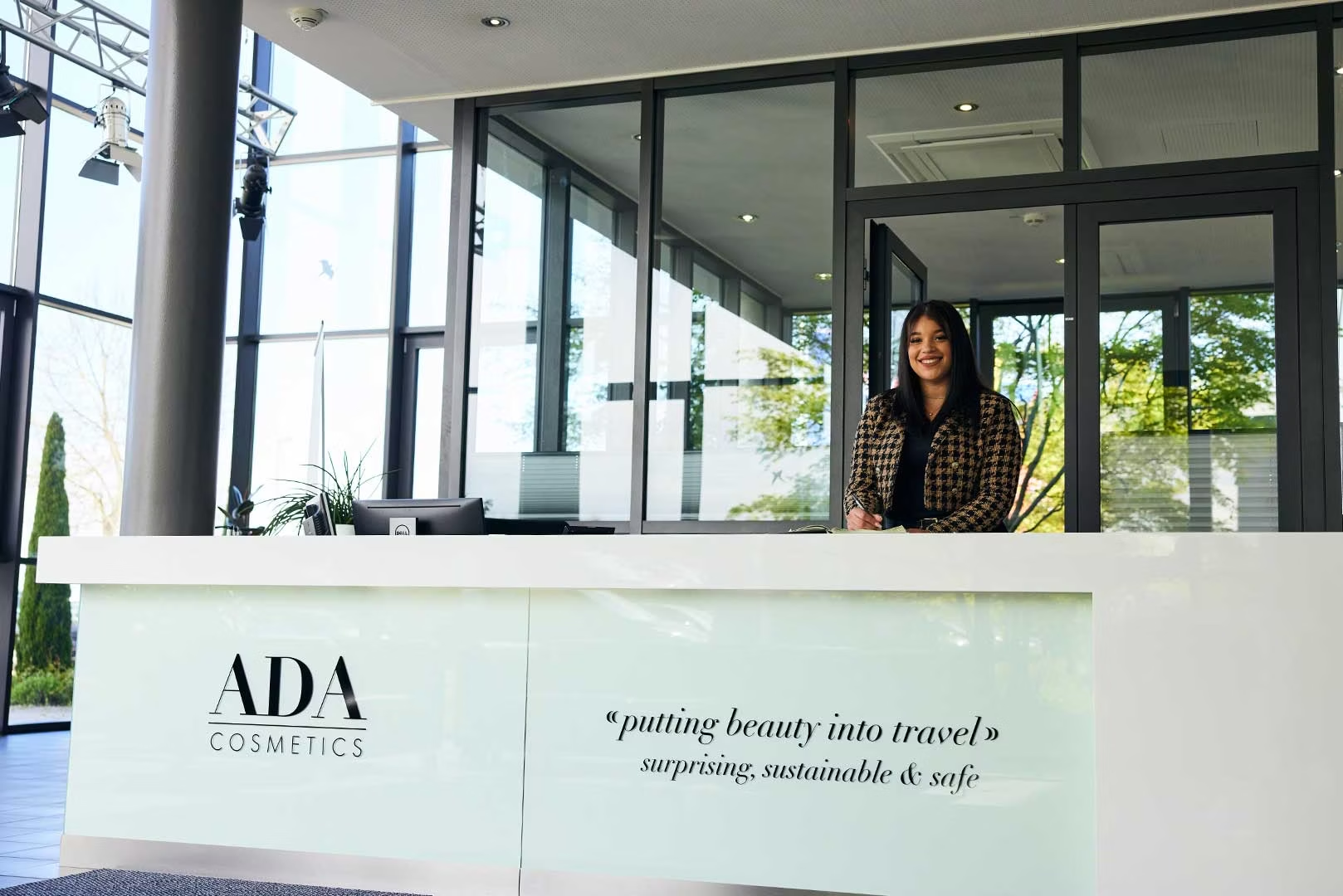
ADA Cosmetics: Cruelty-Free, Vegan Cosmetics
At ADA Cosmetics, we never test our cosmetics or their individual ingredients on animals and are committed to protecting animal welfare. We also promote the use of vegan alternatives and adhere to an animal-friendly and environmentally conscious initiative across all global operations. From the initial ingredient sourcing to final product testing, each and every one of our cosmetics has been formulated with 100% cruelty-free methods and ingredients.
In addition to being 100% cruelty-free, we also offer some 100% vegan cosmetic product lines, such as Naturals or Naturals REMEDIES. These consciously crafted skin and hair care cosmetics are cruelty-free and certified vegan by The Vegan Society.